Comprehensive Guide to Airfreight Cargo: Streamlining Global Business Logistics
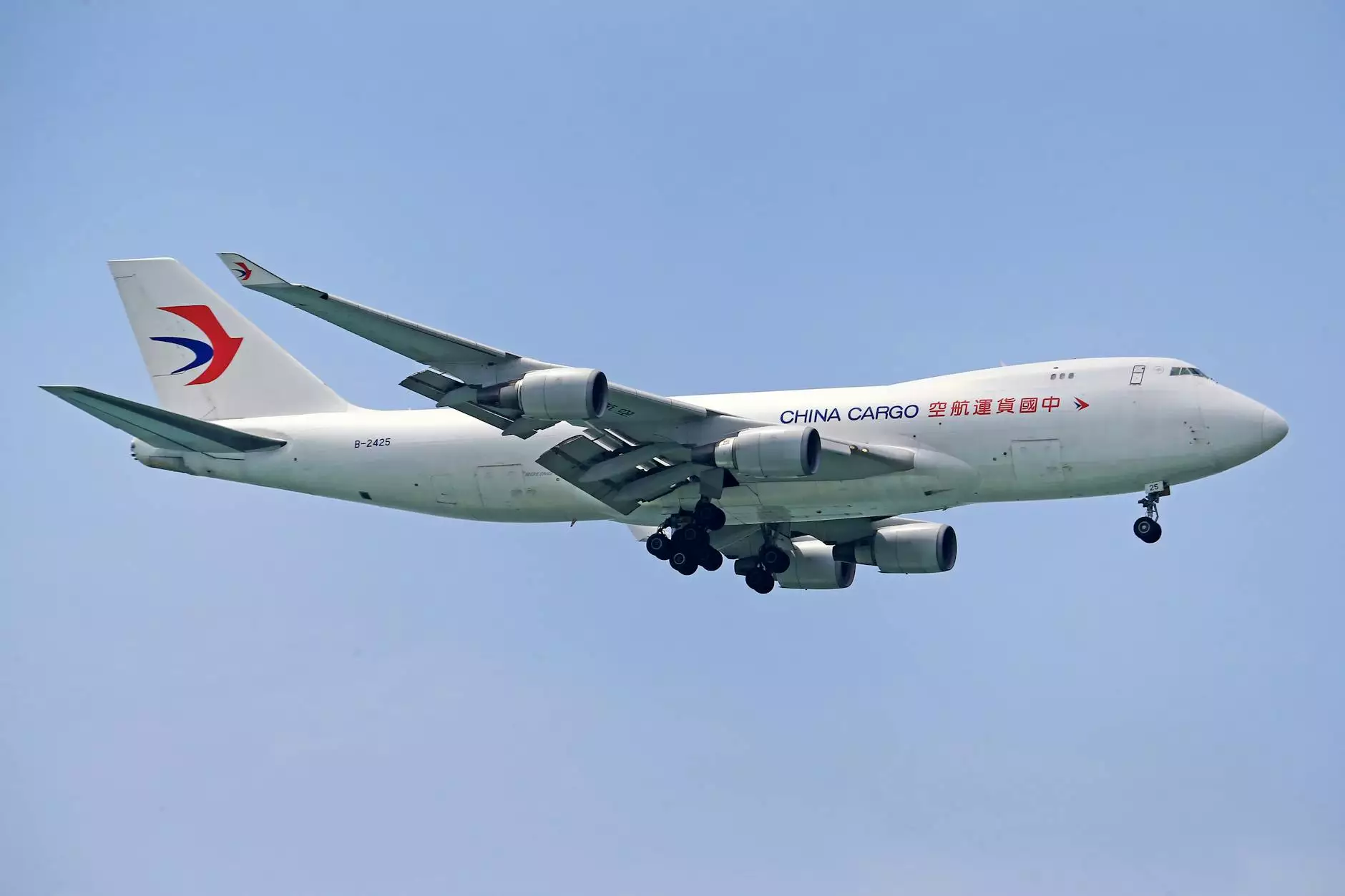
In today’s interconnected world, airfreight cargo stands as a cornerstone of international trade. Whether you're a manufacturer, retailer, or logistic provider, understanding the intricacies of airfreight cargo is essential for optimizing supply chains, reducing transit times, and expanding global market reach. With advancements in technology, infrastructure, and operational strategies, the landscape of airfreight logistics is more dynamic and efficient than ever before.
Understanding the Significance of Airfreight Cargo in Modern Business
Airfreight cargo refers to the transportation of goods by aircraft, typically characterized by its speed, reliability, and ability to handle high-value or perishable items. Unlike maritime or land transport, airfreight provides rapid delivery times, often within 24-48 hours for international shipments. This is crucial for businesses operating within just-in-time inventory models or dealing with sensitive products such as pharmaceuticals, electronics, and luxury goods.
- Speed and Efficiency: Critical for time-sensitive shipments.
- Global Reach: Access to remote locations and international markets.
- Security: Enhanced security protocols for sensitive cargo.
- Reliability: Precise scheduling and tracking capabilities.
The Role of Shipping Centers in Enhancing Airfreight Cargo Operations
Shipping centers serve as the pivotal nodes in the airfreight logistics network. These facilities are strategically located to facilitate seamless cargo handling, customs clearance, storage, and distribution. Modern shipping centers integrate advanced technology such as automation, RFID, and IoT devices to optimize throughput and minimize delays.
Key Functions of Shipping Centers in Airfreight Logistics
- Cargo Handling: Efficient loading and unloading processes using advanced equipment.
- Sorting and Warehousing: Segregating cargo based on destination, priority, or type.
- Customs Clearance: Streamlined procedures to expedite import/export regulations compliance.
- Security Screening: Implementing security measures to prevent contraband and ensure cargo safety.
- Distribution: Coordinating within the supply chain to ensure timely delivery to final destinations.
Transportation Solutions Driving Global Airfreight Cargo Success
Transportation is the backbone of any airfreight cargo operation. The choice of aircraft, routing, and handling methodologies directly impact transit times and costs. Leading transportation solutions emphasize flexibility, capacity management, and integration with multimodal logistics networks.
Types of Aircraft Used for Airfreight Cargo
- Wide-body Jets: Capable of handling large volumes of freight; essential for high-demand routes.
- Regional Jets: Used for shorter routes and smaller consignments.
- Specialized Cargo Aircraft: Equipped for fragile, perishable, or oversized cargo.
Innovations in Airfreight Transportation
- Real-Time Tracking: GPS and RFID technologies enable precise cargo location updates.
- Temperature-Controlled Containers: Ensure perishable goods maintain quality during transit.
- Optimized Routing Algorithms: Reduce transit times and fuel consumption through AI-driven planning.
How Airports Facilitate Efficient Airfreight Cargo Handling
Airports are the gateways of the airfreight cargo ecosystem. They provide the physical infrastructure necessary for cargo handling, security, customs clearance, and onward transportation. The efficiency of an airport's operations can significantly influence delivery times, costs, and overall customer satisfaction.
Critical Airport Infrastructure for Airfreight
- Dedicated Cargo Terminals: Specialized areas designed for fast processing and minimal congestion.
- Runway and Taxiway Capacity: Adequate infrastructure to handle aircraft arrivals and departures efficiently.
- Customs and Security Facilities: On-site clearance points to speed up import/export procedures.
- Ground Support Equipment: Modern systems for cargo loading, unloading, and management.
Airport Logistics Trends Enhancing Cargo Efficiency
- Automated Cargo Handling Systems: Use of robotics and automation to speed processes.
- Integrated Supply Chain Platforms: Digital platforms connecting airports, airlines, and ground handlers.
- Sustainable Practices: Implementation of green technologies to reduce carbon footprint.
Key Challenges in the Airfreight Cargo Industry and Solutions
Despite its many advantages, the airfreight cargo sector faces challenges that require innovative solutions:
- Capacity Constraints: Limited aircraft and cargo space during peak periods can lead to delays.
- Cost Fluctuations: Fuel prices and regulatory fees impact overall shipping costs.
- Security and Compliance: Evolving global security standards demand continuous adaptations.
- Environmental Impact: Addressing the carbon footprint of airfreight remains a concern for sustainable growth.
Solutions include diversifying routes, investing in fuel-efficient aircraft, leveraging digital tools for better capacity planning, and adopting eco-friendly logistics practices.
Future Trends Shaping the Airfreight Cargo Industry
The future of airfreight cargo hinges on technological advancements, sustainable practices, and evolving global trade policies. Some key trends include:
- Digital Transformation: Increased adoption of blockchain, IoT, and AI for transparency, automation, and efficiency.
- Urban Air Mobility: Emerging concepts of drone delivery and air taxis to reduce congestion and accelerate last-mile delivery.
- Sustainable Aviation Fuel (SAF): Shift towards cleaner fuels to lower emissions and meet environmental standards.
- Enhanced Customer Experience: Integration of real-time data, predictive analytics, and personalized tracking capabilities.
Benefits of Partnering with Professional Airfreight Logistics Providers
Partnering with established airfreight cargo providers like cargobooking.aero offers numerous benefits:
- Expertise and Industry Knowledge: Access to global networks and best practices.
- Customized Solutions: Tailored logistics strategies to meet specific business needs.
- Technology Integration: State-of-the-art platforms for booking, tracking, and documentation management.
- Cost Optimization: Competitive rates and capacity management to reduce overhead.
- Risk Management: Advanced security measures and contingency planning for disruption mitigation.
Final Thoughts: Elevating Your Business with Airfreight Cargo
In conclusion, airfreight cargo plays an indispensable role in enabling global commerce. Its speed, security, and reach have transformed supply chains, opening new opportunities for businesses willing to embrace innovation and efficiency. By leveraging advanced shipping centers, state-of-the-art transportation solutions, and modern airport infrastructure, companies can unlock unparalleled competitive advantages.
As the industry continues to evolve with technological innovations and sustainable practices, those who adapt quickly and partner with experienced logistics providers—such as cargobooking.aero—will lead the way in satisfying the increasing demands of global markets. Harnessing the full potential of airfreight cargo will position your business for long-term success and resilience in the rapidly changing landscape of international trade.
airfreight cargo